
Nashville Garage Builders
The garages we build protect your vehicles from the weather, keep them secure, and allow for storage of tools and toys. Building an ADU will provide you extra living space or even rental income. Reach out to have an expert and reliable contractor for your project.
Free Estimate
Garage Building Services
Detached Garage
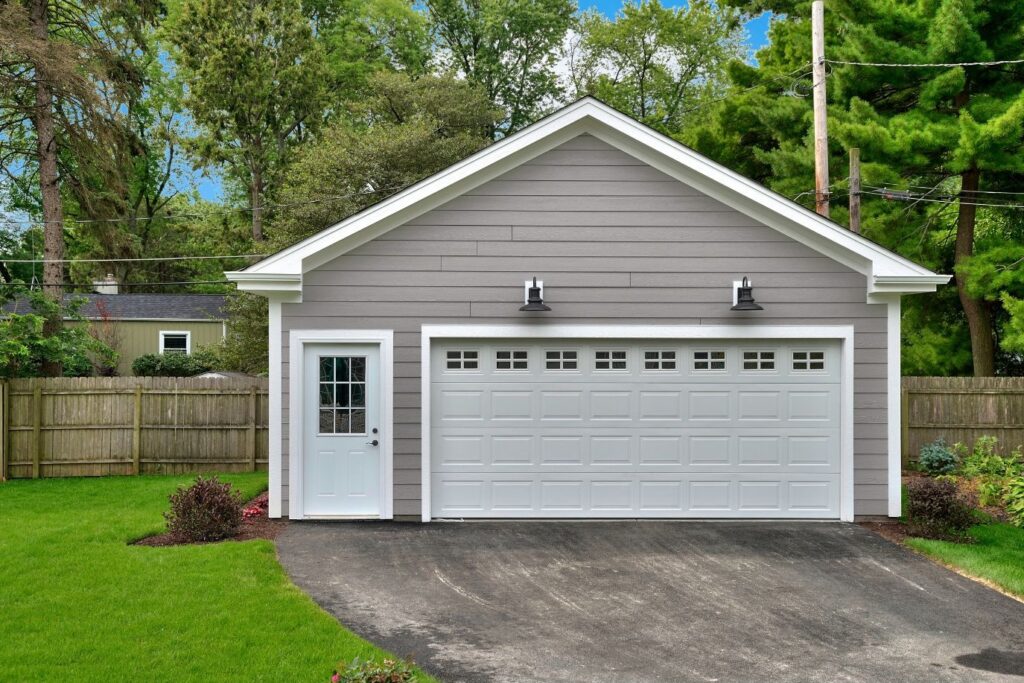
A detached garage is a standalone structure that offers versatility and convenience for homeowners. The primary function is to securely protect your vehicles from the elements. A detached garage also offers extra storage space, a workshop area, and a number of other uses. These are beneficial when the layout of the house on the property is not conducive to attaching to the house.
Attached Garage
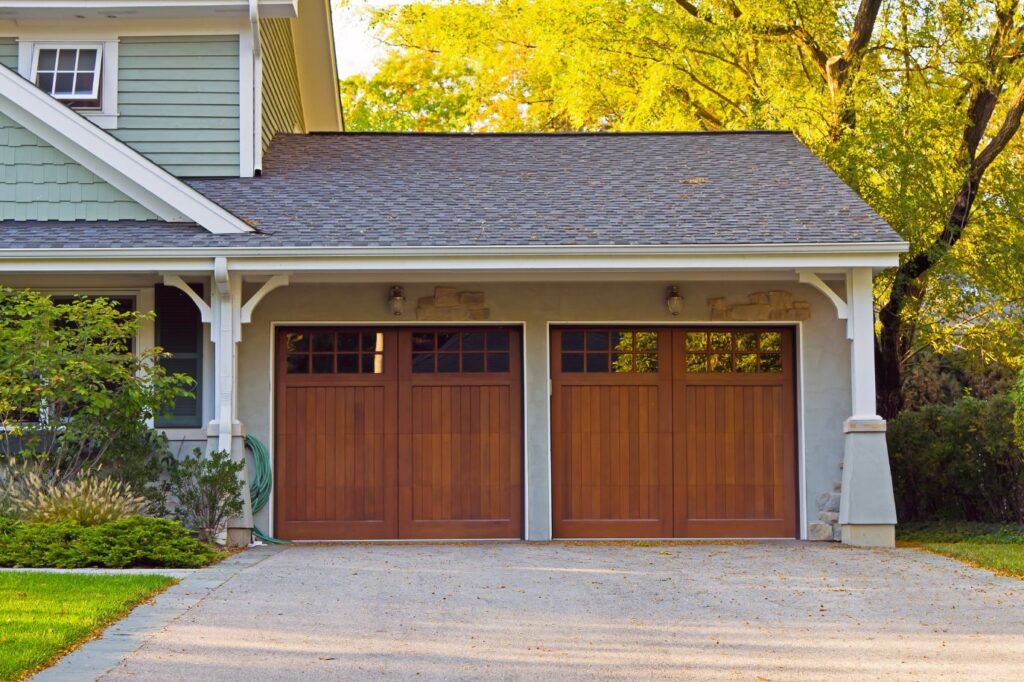
An attached garage is a convenient and practical option for homeowners who prefer direct access to their home from the garage. This type of garage is seamlessly integrated into the existing structure, providing easy entry and exit for vehicles and homeowners alike. This offers security of your vehicles and you from the elements, since you don’t have to exit your home to get to the garage.
ADU (Accessory Dwelling Unit)
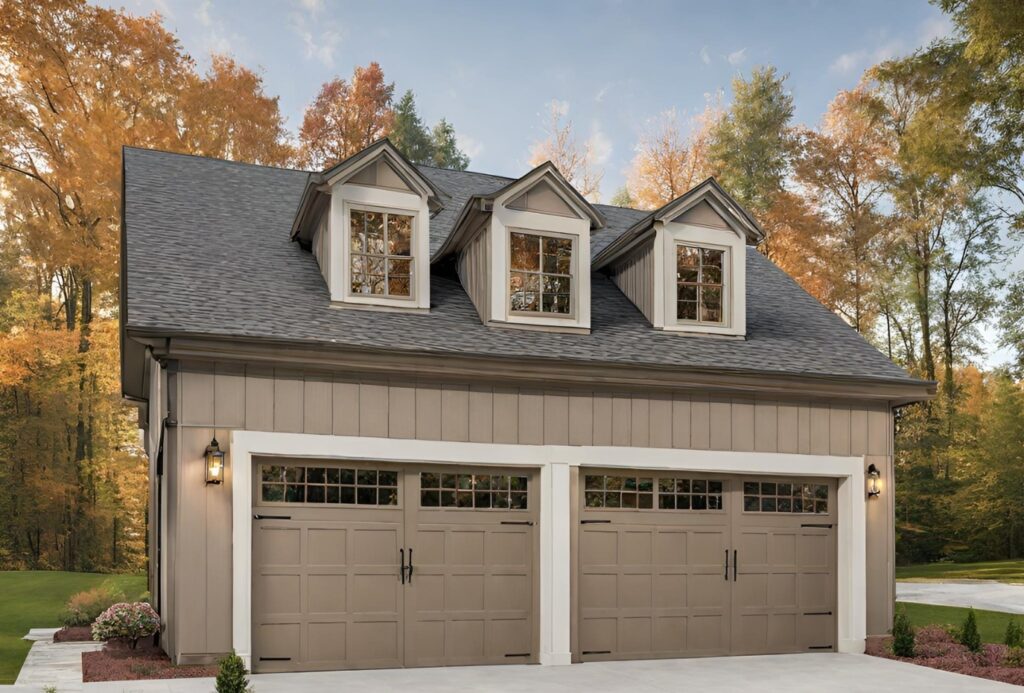
An ADU is a secondary living space that is typically located on the same property as the primary residence. These finished areas are becoming increasingly popular for homeowners looking to add additional living space for guests, family members, or rental income. A DADU is often incorporated into a detached garage, though they can be stand alone living spaces as well.
Reasons to Build a Garage
Parking for Vehicles
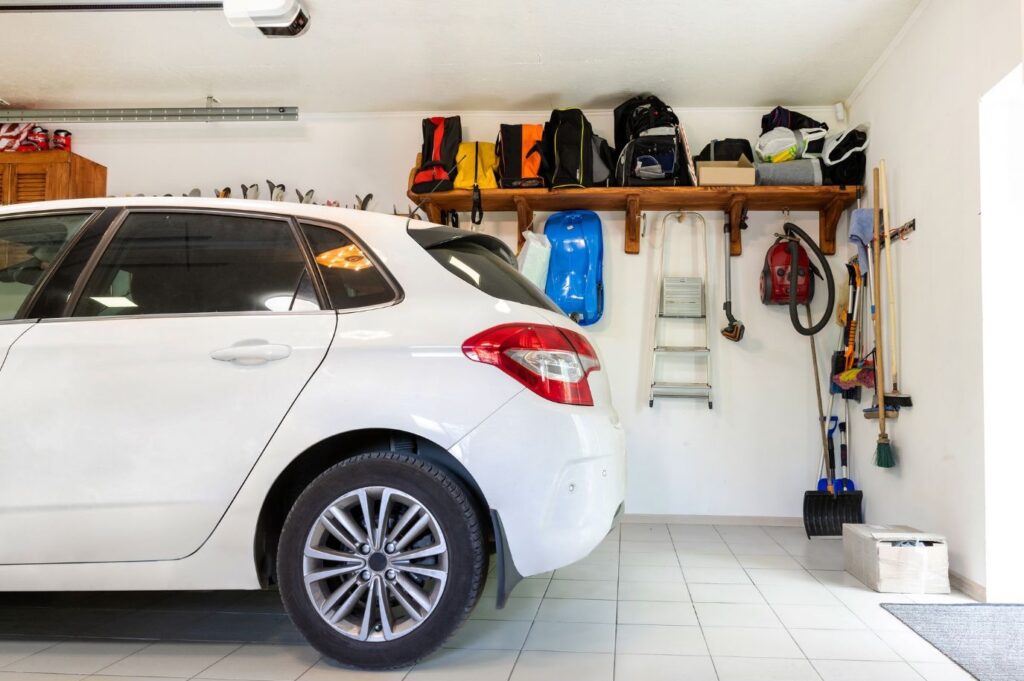
One of the primary reasons people choose to build a garage is for parking vehicles. Having a dedicated garage space ensures that your vehicles are protected from the elements and safely stored. Not only does a garage provide convenience for homeowners by offering a secure place to park, but it also helps in maintaining the value of your vehicles by shielding them from weather damage and theft.

Additional Storage
Garages also serve as valuable storage spaces for homeowners. Whether you need extra room for seasonal items, tools, outdoor equipment, or recreational gear, a garage provides the perfect solution to declutter your home and keep your belongings organized. By utilizing the vertical space in your garage with shelving units, cabinets, and storage systems, you can maximize the available space and create a functional storage area that meets your needs.
Additional Living Space

Increased Property Value
Value of Building a New Garage
From protection to storage and everything in between, having a garage offers homeowners a myriad of benefits that enhance their property and lifestyle. There are a number of reasons why having a garage is a valuable addition to any home.
Protect Vehicles from the Elements

Protecting You from the Elements
A garage is not just a protective shield for vehicles, but also you and your family. When unloading groceries, children, luggage, or other belongings, a garage provides a safety from the rain, snow, heat, or any other environmental factors that may impede your comfort and convenience.

Safety and Security
A garage provides safety and security. Parking vehicles in a locked garage reduces the risk of break-ins or theft. On the other hand, parking in a driveway or on the street exposes your car to a higher risk of vandalism or theft, depending on your neighborhood. In the garage, cars can be loaded and unloaded in privacy, so it is not obvious when packing the car for a vacation or when unloading valuables from the store.
Secure Place to Store Belongings
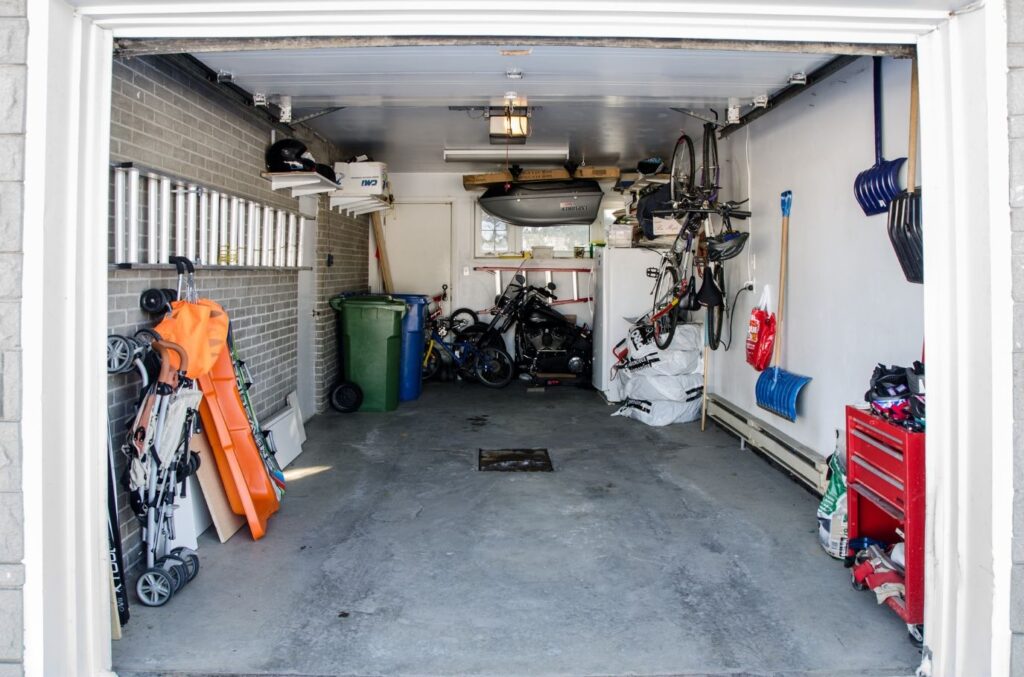
A garage serves as a secure storage space for various items such as tools, bicycles, toys, sports equipment, lawn equipment, seasonal decoration, boxes from your last move, and even an extra refrigerator. Having a designated place to store belongings not only keeps them organized but also protects them from theft or damage. Garages can be built with shelving storage, cabinets, closets, hanging storage from the ceiling over the cars, and even attic storage.
Workshop Area
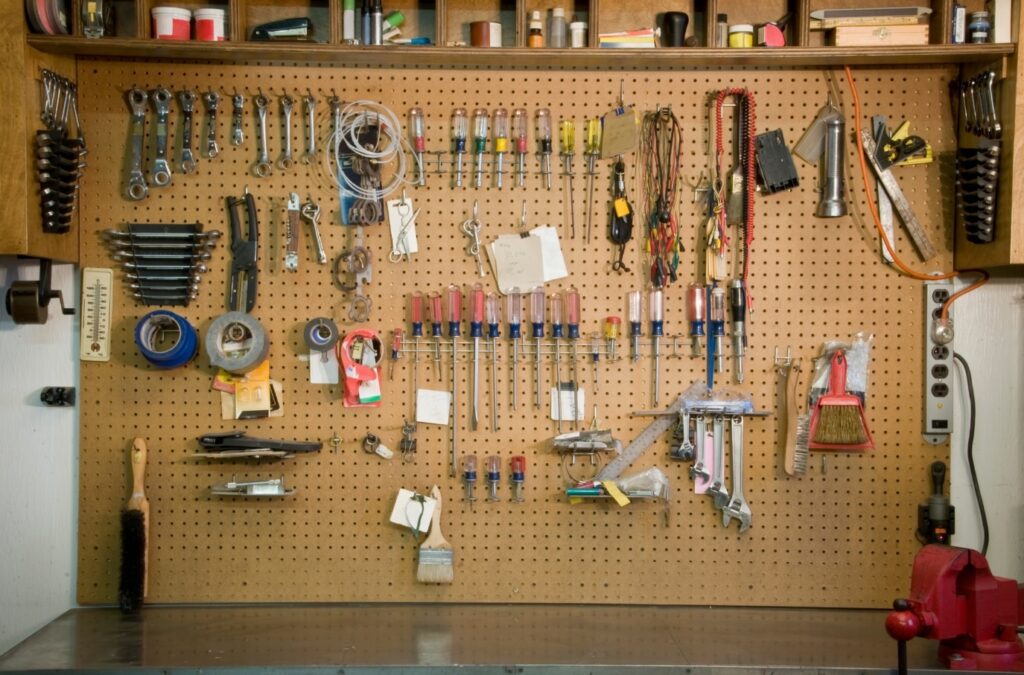
For those who enjoy DIY projects or home improvement tasks, a garage can double as a workshop area. With the right tools and equipment within arm’s reach, projects large and small can be worked on without having to set up temporary workspaces in your living area or yard.
Car Charging Station
As electric vehicles gain popularity, the need for home charging stations is on the rise. A garage provides a safe and secure location to install a car charging station, protecting it from the elements and ensuring that your electric vehicle is always ready to go. Often times, an additional 220V outlet is needed to provide power for charging a car, while existing 110V can provide slow charging to most electric vehicles.

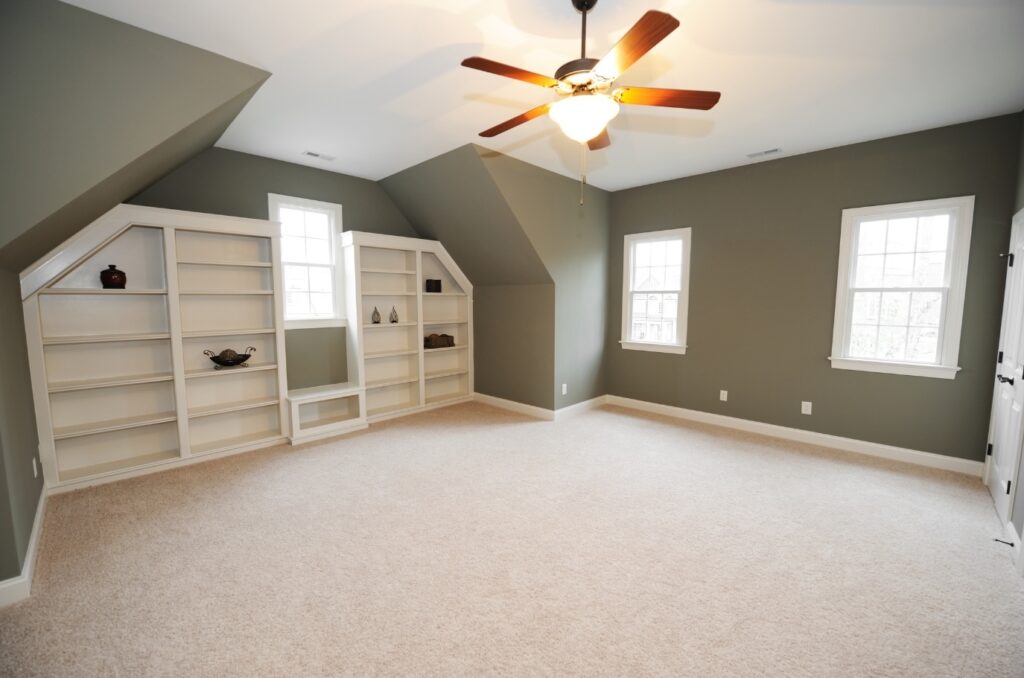
Bonus Room or ADU
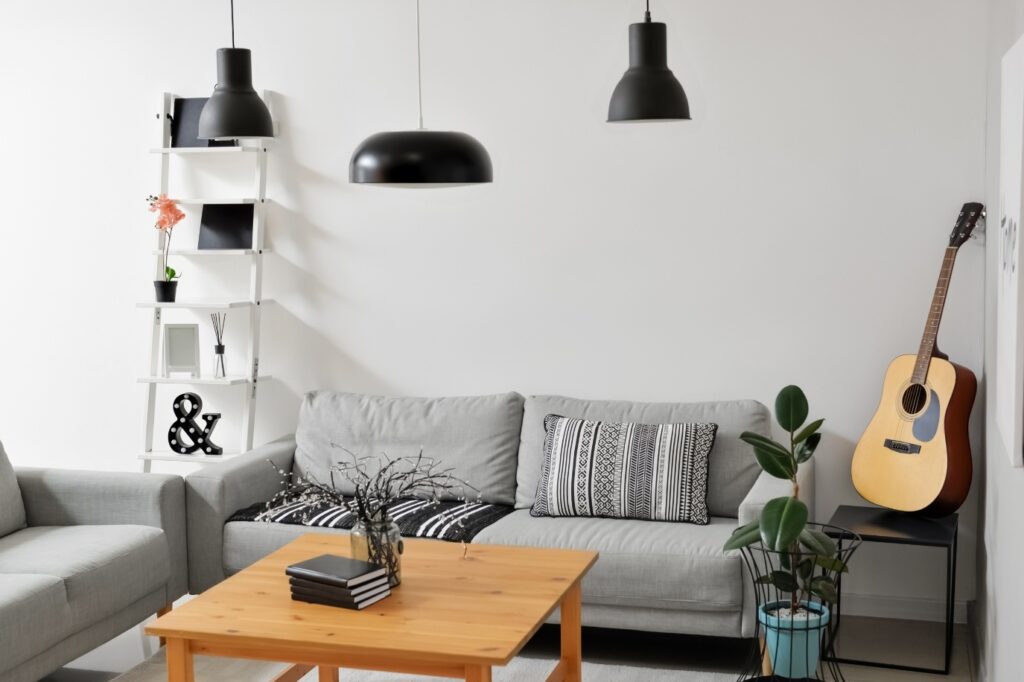
For homeowners looking to maximize their space, a garage with a finished room or ADU offers endless possibilities. Whether used as an office, guest room, music studio, art space, family room, or rental unit, a garage with a bonus room adds both functionality and value to any property.
Garage Options
Attached vs Detached
Attached Garages
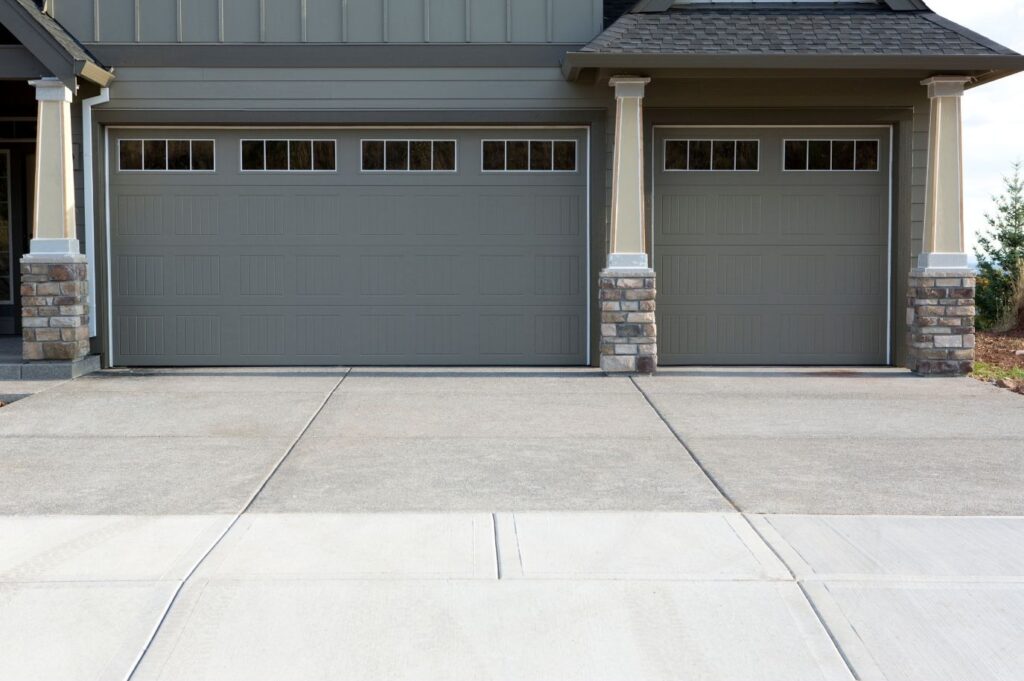
An attached garage is physically attached to the main house. This type of garage is essentially a home addition, requiring the integration of the foundation, siding, and roof with the existing structure of the home.
One of the main benefits of an attached garage is that it requires a smaller footprint on the property. Since the garage shares a wall with the house, it can be a more efficient use of space, especially if the property is limited in size. Additionally, an attached garage provides easy access to and from the house, allowing movement between the two without having to go outside. This can be particularly convenient during inclement weather, keeping everyone protected from the elements while moving between the car and the home.
However, there are also some drawbacks to consider with an attached garage. Integrating the garage with the existing house can be a more complex construction process, potentially leading to higher costs and longer timelines for completion. Additionally, if the garage is not well-insulated or properly sealed, fumes and exhaust from vehicles can seep into the home, potentially causing health and safety issues.
Detached Garages
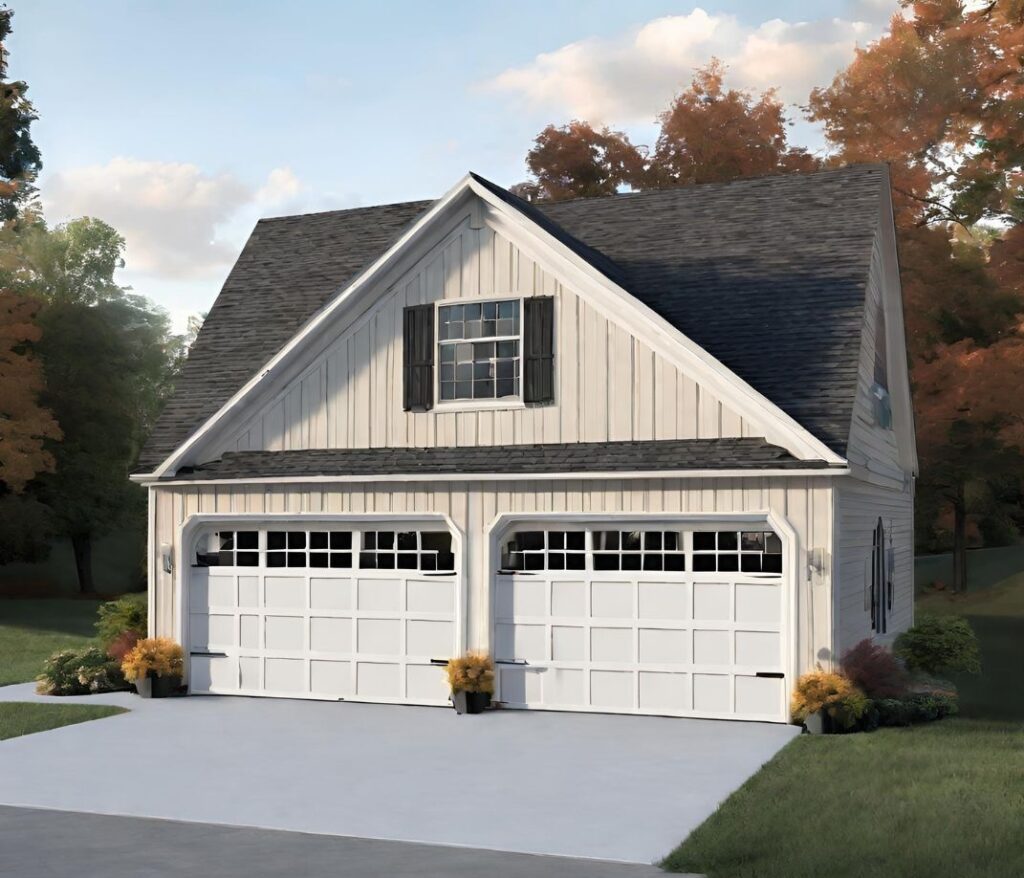
A detached garage is a standalone structure that is not physically connected to the main house. This type of garage offers more flexibility in terms of placement on the property, as it is not constrained by the layout or structure of the home.
One of the primary benefits of a detached garage is having more freedom to choose where it will be located on the property. You can place it farther back, to the side, or in a different orientation than the house, depending on your preferences and the layout of the land. This can be particularly advantageous for a larger property or if there is a need to create a separate space for the garage away from the main house.
However, one of the main drawbacks of a detached garage is the need to go outside when moving between the garage and the house. This can be inconvenient, especially during bad weather or late at night. Because a detached garage is a separate structure, there is a need to install additional lighting, security measures, or pathways to ensure safe and easy access between the two buildings. In Davidson and the surrounding counties, there are also zoning requirements that could limit the size and/or location.
ADU or No ADU
In building a new garage in Nashville, one of the decisions homeowners often face is whether to include an Accessory Dwelling Unit (ADU) as part of the project. An ADU can serve various purposes such as an office, music room, playroom, guest room, or even a rentable unit. On the other hand, opting not to build an ADU can also be a practical choice depending on your needs and budget. Let’s see how we can benefit from ADU and its drawbacks.
Garage with an ADU
An ADU, also known as a Accessory Dwelling Unit, can significantly enhance the functionality and value of the property. An ADU provides additional living space that can be utilized in a variety of ways. Whether needing a simple finished room, a space with a kitchenette, a bathroom, extra storage, or a combination of these features, an ADU offers versatility and convenience.
A detached garage with an ADU, this is called an DADU (Detached Accessory Dwelling Unit). A DADU is an ADU, except that it specifically denotes that it is not attached to the house.
However, it is important to note that building an ADU (including DADU) is a more complex and costly endeavor compared to a traditional garage. An ADU requires insulation, HVAC systems, electrical wiring, plumbing, and other essential amenities to make it habitable. While the upfront investment for an ADU may be higher, the long-term benefits in terms of increased living space and potential rental income can make it a worthwhile investment for many homeowners.
Garage without an ADU
On the other hand, opting for a garage without an ADU can still provide valuable functionality at a lower cost. A standard garage without an ADU does not need to be finished or insulated, making it a more affordable option for homeowners looking for additional storage or parking space. It is essential to consider the specific needs and budget when deciding whether to include an ADU in any garage construction project.
Size of Garage (Number of Cars)
One Car Garage
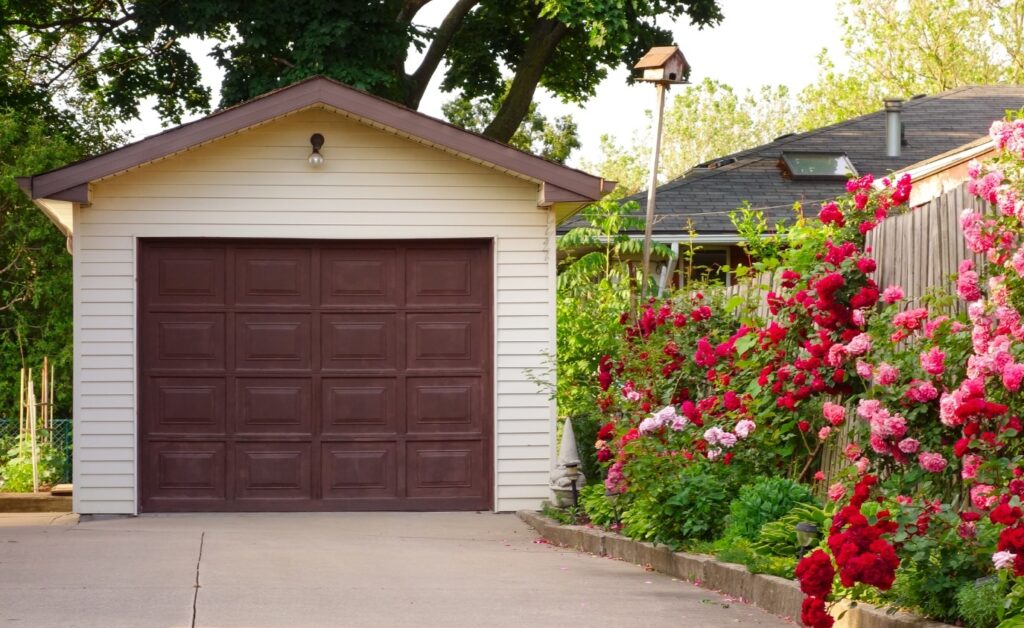
A one-car garage, or single-car garage, is the smallest and most simple type of garage available. Perfect for homeowners with just one vehicle, a single-car garage requires the least amount of real estate on your property. For properties with limited space or only one car to park, a one-car garage can be a practical and cost-effective solution for protecting a vehicle from the elements. Additionally, a single-car garage can also provide extra storage space for tools, equipment, or seasonal items, helping you keep the home organized and clutter-free.
Two Car Garage
The two-car garage is the most common type of garage found in residential properties. Ideal for households with two vehicles, a two-car garage offers the convenience of parking both cars indoors, protecting them from inclement weather and potential theft. In addition to providing shelter for vehicles, a two-car garage can also serve as a versatile space for a workshop, home gym, or extra storage. With ample room for two cars and additional storage or recreational space, a two-car garage is a practical choice for many homeowners.
Three Car Garage
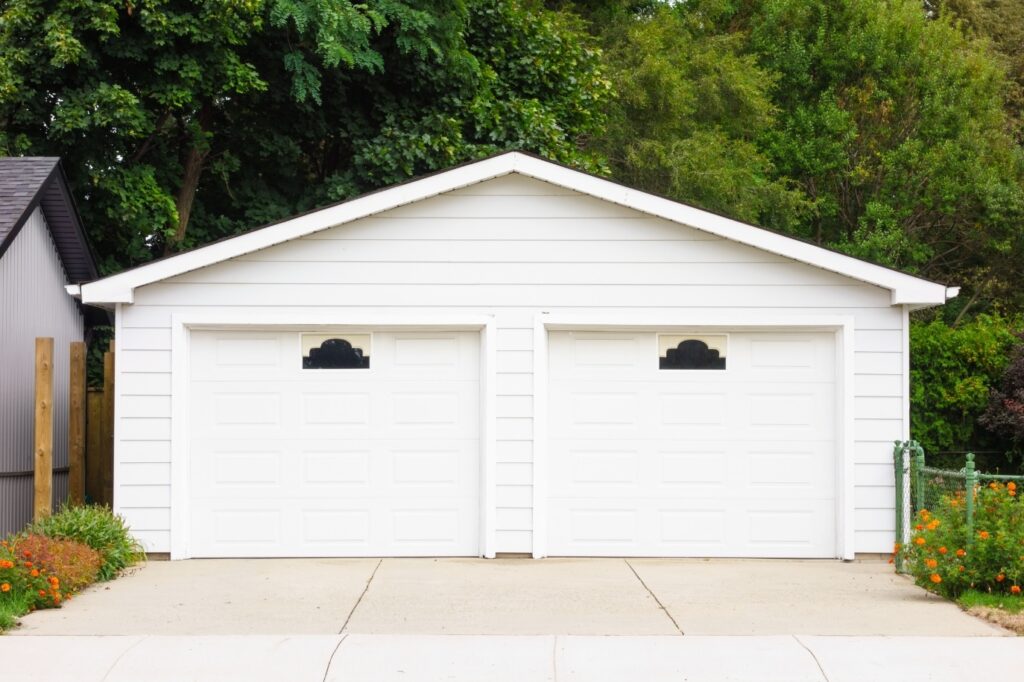
For homeowners with more than two vehicles or those in need of extra storage space, a three-car garage is the perfect solution. Whether you have a growing family with multiple drivers, own recreational vehicles like ATVs or motorcycles, or simply require additional space for a workshop or hobby area, a three-car garage offers the flexibility and functionality you need. In addition to accommodating three cars, a three-car garage can provide ample storage space for sports equipment, gardening supplies, or seasonal decorations, helping you keep a property organized and efficient.
Four or More Car Garage
For the ultimate car enthusiast or large families with multiple vehicles, a 4+ car garage is the epitome of luxury and convenience. Perfect for car collectors, enthusiasts with classic cars, or homeowners with a fleet of vehicles, a 4+ car garage offers unparalleled storage space and security for your vehicles. In addition to accommodating multiple cars, a 4+ car garage can also provide room for a workshop, home office, or additional living space, making it a versatile and valuable addition to your property.
Before starting on the construction of a garage, it is important to check with local zoning codes and regulations. While one or two-car garages are typically allowed in residential areas, zoning restrictions may prohibit the construction of garages for three or more cars. Zoning requirements often consider factors such as the size of the house, the lot size, the distance from property lines, and whether the garage will be attached or detached from the main residence.
Garage Door Options
Garage doors are a key consideration when building a garage. The number of garage doors not only affects the aesthetic appeal of your garage but also plays a crucial role in its functionality and convenience. Doors also have the option of having manual operation, or use an automatic garage door opener.
Number of Garage Doors
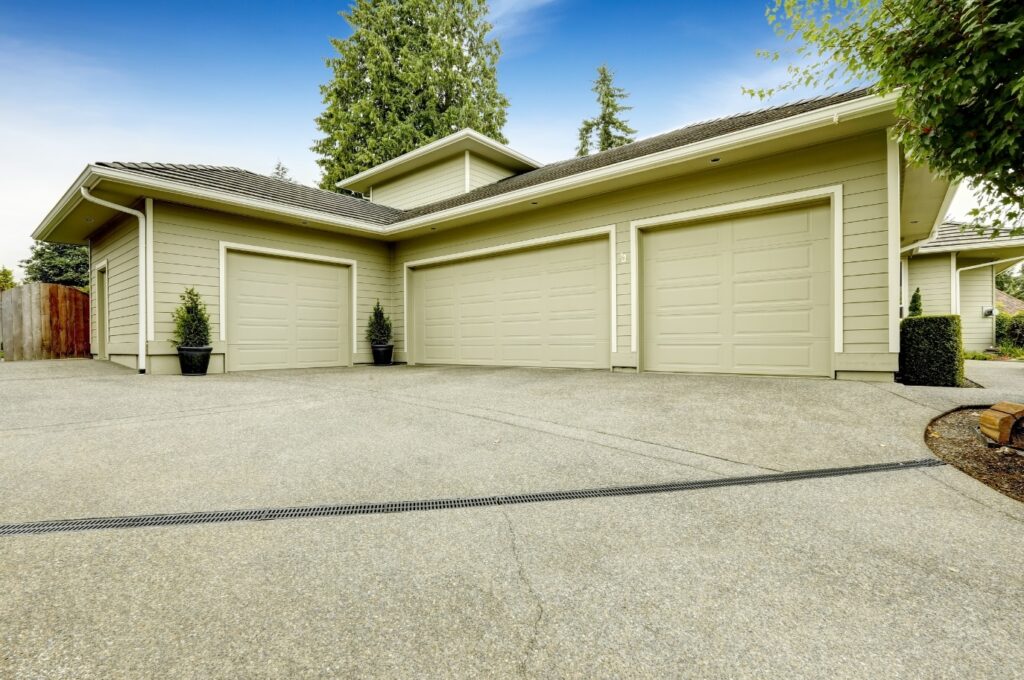
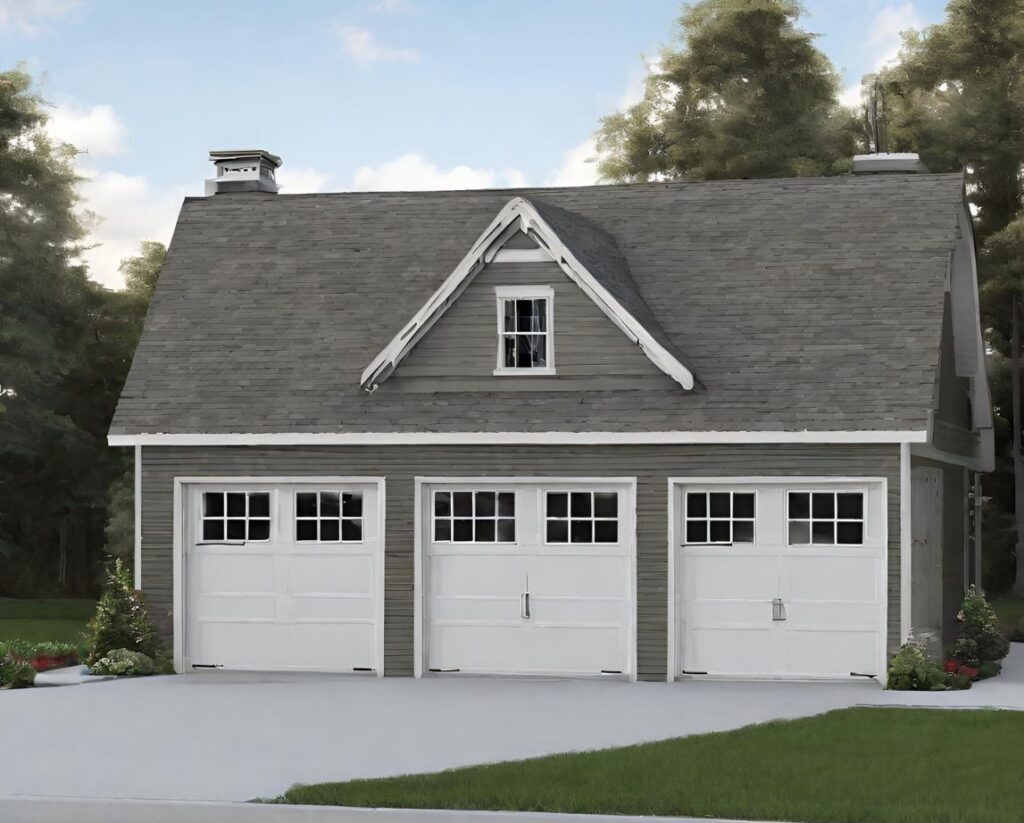
The number of garage doors is often dictated by the number of cars that the garage is built to hold. A single car garage can have only one garage door. However, a two car garage can have one large door that would open when either car needs to enter or exit, or two doors for only one door to open when a vehicle needs access. Likewise, a three car garage can have three independent doors, or two doors where where one door would be for a single car and the other door would be wide enough for two cars. For larger garage, there are a number of configurations depending on the homeowners needs and design intent.
Manual vs Automatic Door Operation
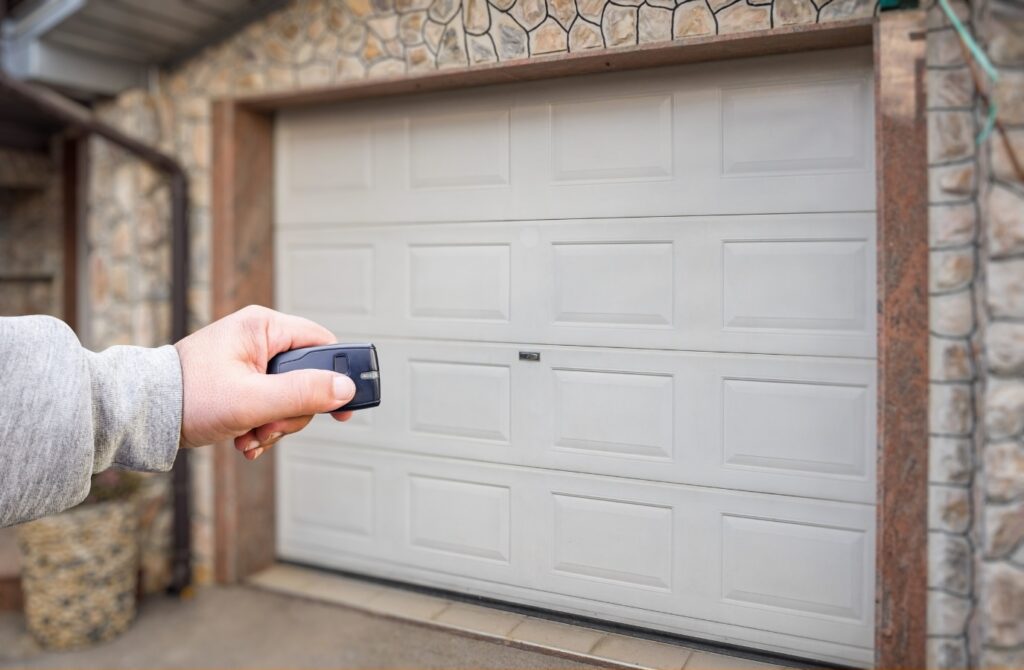
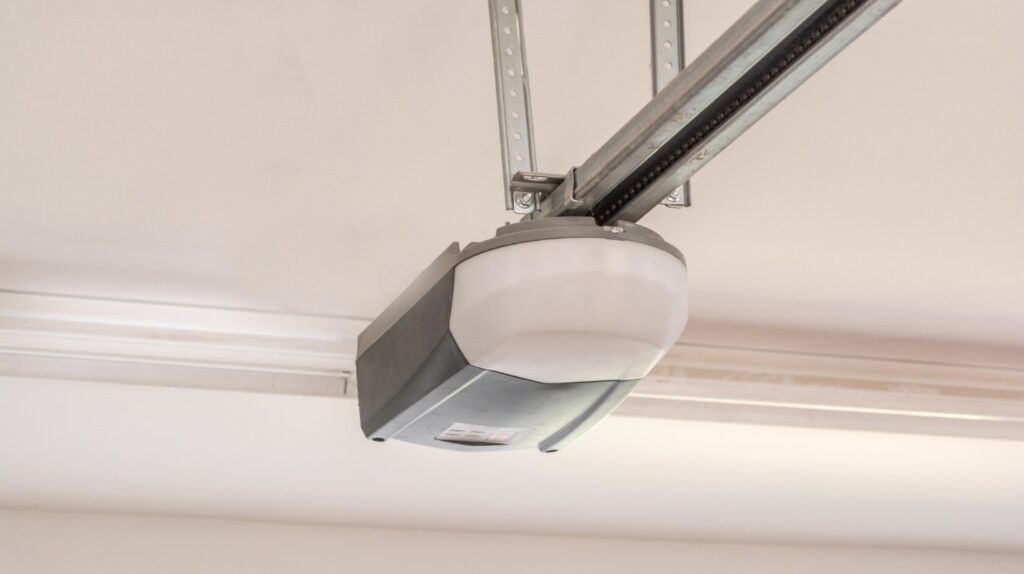
Garages are typically equipped with an automatic garage door opener, which allows for convenient and easy operation. A remote control is typically kept in the vehicle, allowing the garage door to open and close without having to leave the comfort of the car. On the other hand, some homeowners may opt for manual operation of their garage door, which must be opened and closed by hand. This can be a more budget-friendly option, and meant for smaller garage doors that aren’t as heavy as multi-car doors.
Garage Siding and Roof Options
When building a new garage or renovating an existing one, choosing the right siding and roof materials is crucial to ensure both functionality and aesthetics. There are a variety of options for siding and roofing materials to help create a garage that not only enhances the curb appeal of the property but also provides lasting protection for vehicles and belongings.
Siding Materials
The garage exterior can be constructed using a wide range of siding materials, allowing for a customized look and feel. While many homeowners opt to match the siding of their garage with that of their house for a cohesive appearance, others prefer to use different materials to make a design statement. Here are some of the most common siding materials we use:
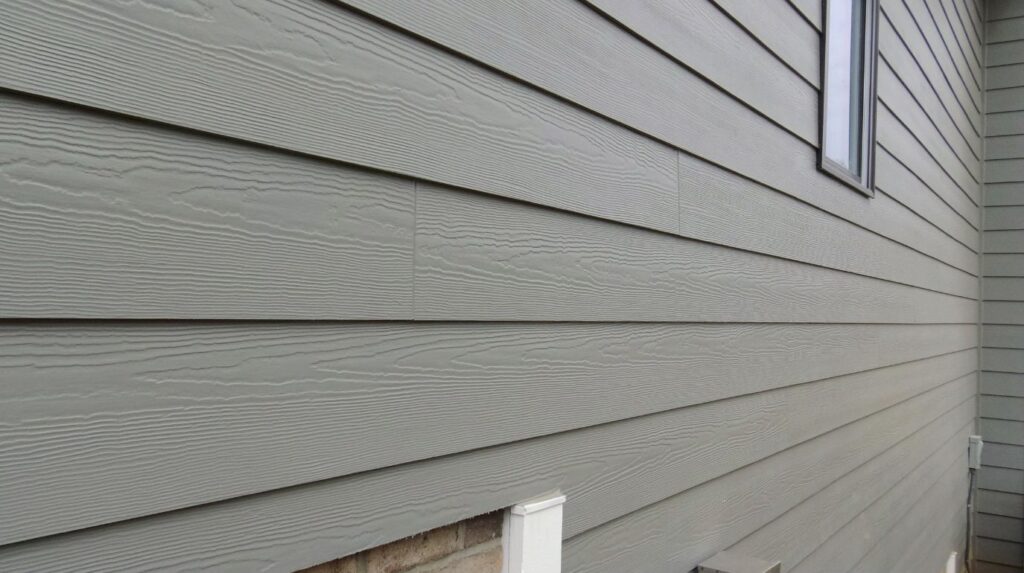
- Hardie Plank: Also known as fiber cement siding, Hardie Plank offers the look of traditional wood siding with enhanced durability and resistance to rot and pests.
- Clapboard: A classic choice for siding, clapboard, also known as lap siding, provides a timeless and elegant appearance.
- Cedar Shake: Known for its natural beauty and rustic charm, cedar shake siding offers a unique and eye-catching look for your garage.
- Vinyl: Vinyl siding is a low-maintenance option that comes in a wide range of colors and styles, making it a popular choice for many homeowners.
- Log: Log siding gives your garage a cozy and rustic cabin-like appearance, perfect for a country or wilderness setting.
- Brick: Brick siding adds a touch of sophistication and elegance to your garage, with superior durability and a timeless appeal.
- Block: Block siding, made of concrete or other masonry materials, provides a modern and industrial look while offering excellent durability and protection.
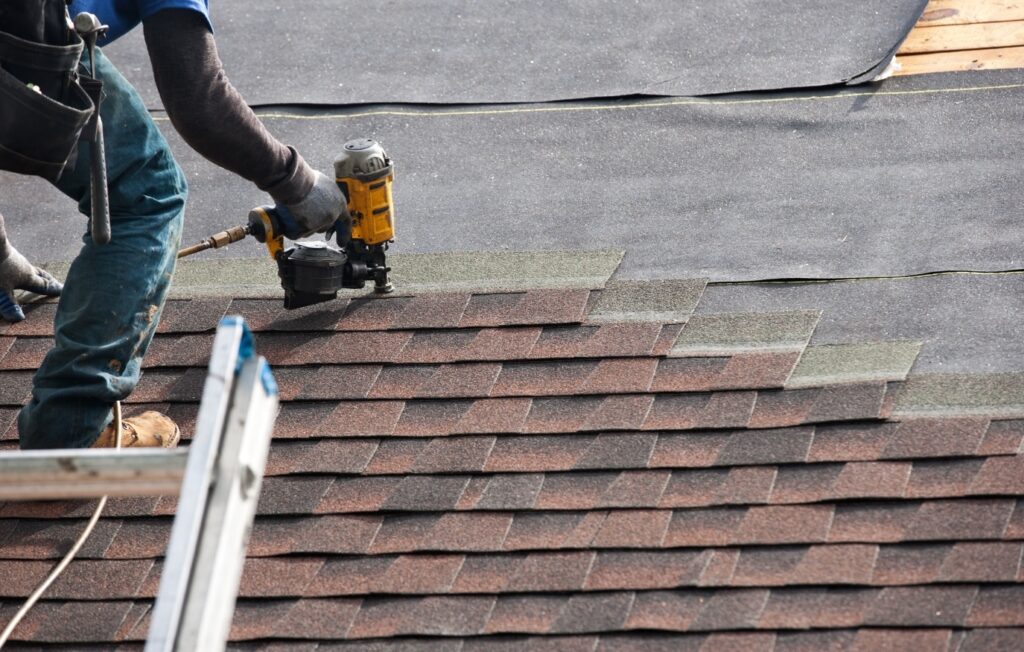
Roofing Materials
The choice of roofing material is essential in ensuring the longevity and functionality of the garage. From standard asphalt shingles to more premium options like cedar shake or slate tiles, here are some of the most common roofing materials that can be used:
- Asphalt Shingles: Affordable and versatile, asphalt shingles come in a variety of colors and styles, making them a popular choice for residential roofing projects.
- Metal Roof: Metal roofing offers durability, longevity, and energy efficiency, making it a sustainable and cost-effective option for your garage.
- Synthetic Shingles: Synthetic shingles mimic the look of traditional materials like wood or slate but offer enhanced durability and weather resistance.
- Cedar Shake: Cedar shake roofing provides a natural and rustic appearance while offering excellent insulation and weather resistance.
- Slate Tiles: Slate roofing is a premium option known for its beauty, durability, and longevity, adding a touch of elegance to your garage.
Process of Building a Garage
Constructing a garage requires careful planning, attention to detailed information, and professional expertise. Building a garage is not just about creating a storage space for your vehicles; it’s about enhancing the home and lifestyle. From start to finish, a garage takes a significant amount of time to build.
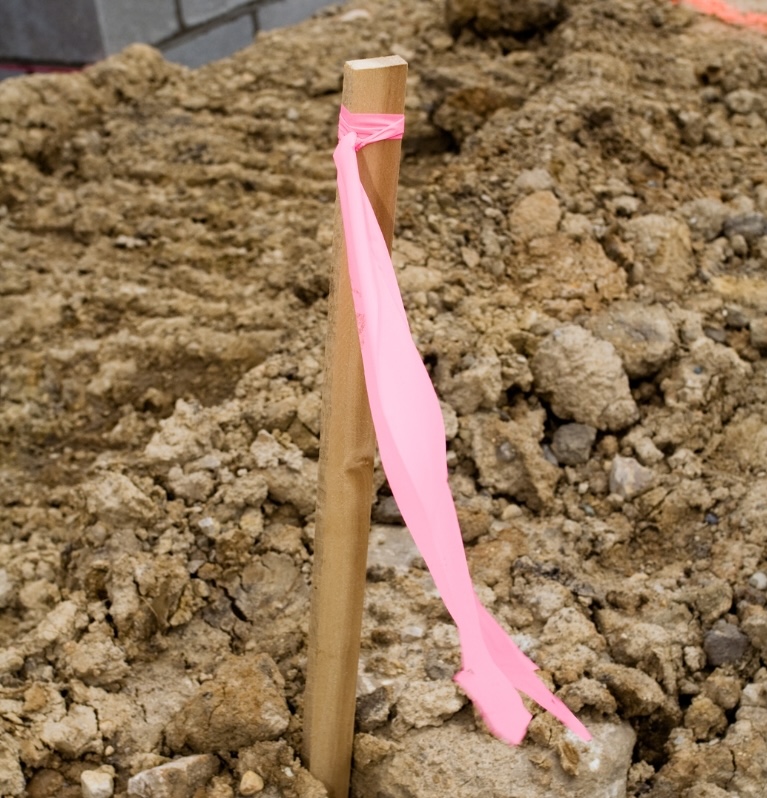
Step 1. Land Survey
Before any design work can begin, it is crucial to understand the lay of the land. A licensed surveyor will located the property lines and provide a detailed survey drawing.to ensure that the garage is built within the legal boundaries and local easement codes. Additionally, a topographical survey may be needed to assess the natural features of the land, such as slopes, trees, or drainage patterns, that could impact the construction process. Construction staking will also be performed to accurately position the garage on the property before the building commences.
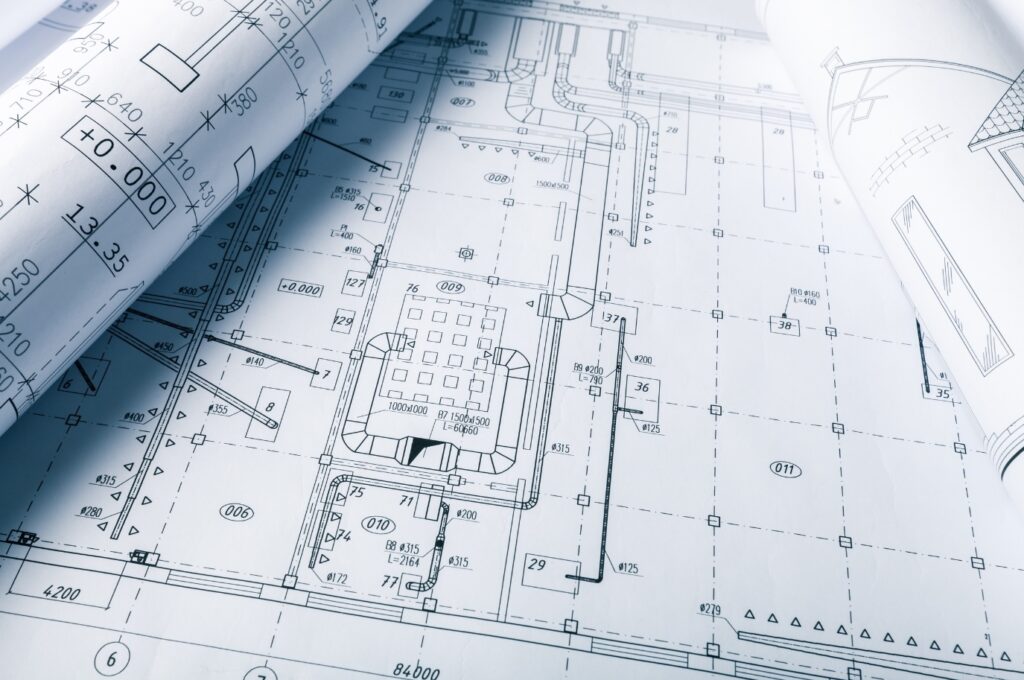
Step 2. Design
There are two options for garage design. The first option is to choose a stock or premade plan, suitable for homeowners looking for a standard detached garage without any unique characteristics. This is the most cost-effective option and is ideal for those seeking a straightforward garage design. The second option is a custom design, for homeowners with specific requirements, have a complex property, or need the garage attached to the house. An architect or residential designer will be necessary. While this option may come at a higher cost, it ensures that your garage is properly designed.
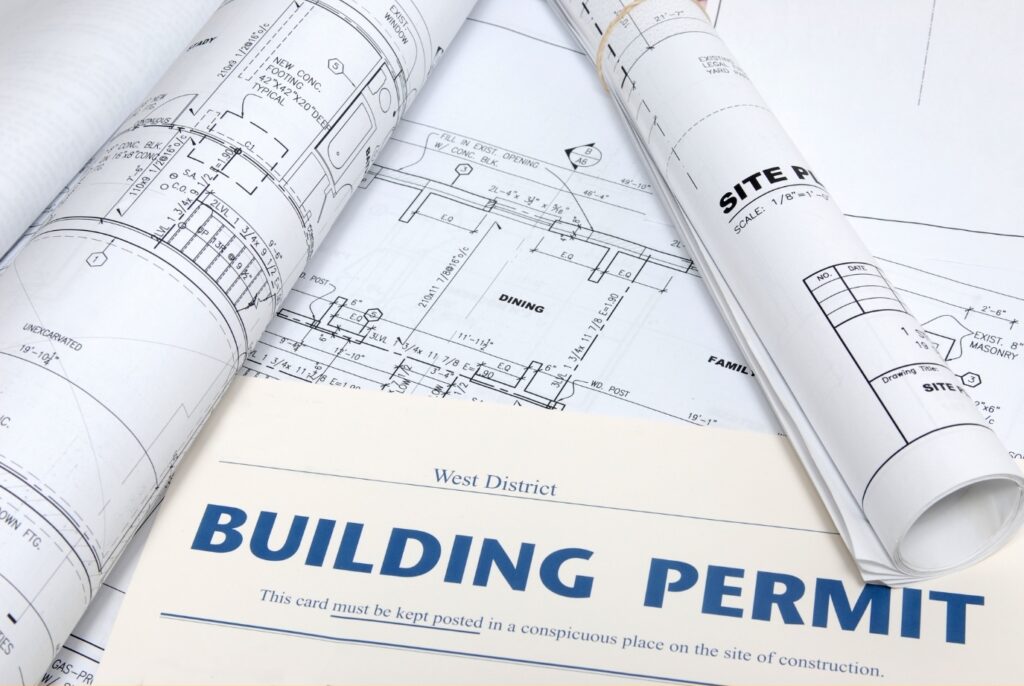
Step 3. Permitting
We handle the permitting process on behalf of our clients. Obtaining building permits can be a complex and time-consuming task. It’s really not necessary for the homeowner to be involved, as this is simply a logistical step in getting approval by the city to proceed with construction.
Step 4. Lay Foundation and Driveway
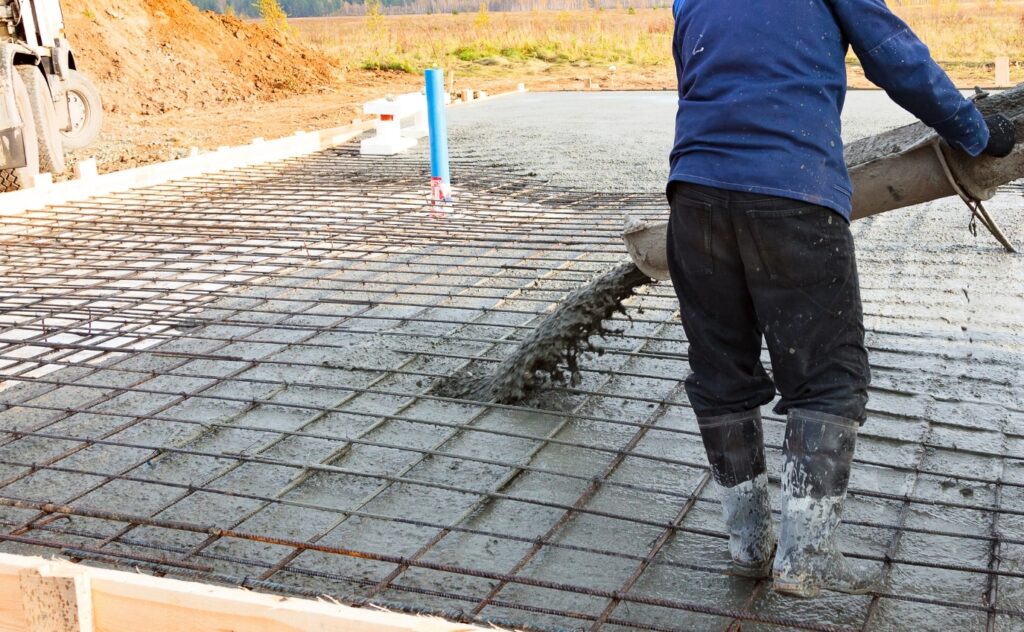
An essential step in building a garage is laying the foundation and constructing the driveway. A solid foundation is crucial for the structural integrity of the garage, providing a stable base for the building. Even if there is an existing driveway on the property, it may need to be removed and replaced with a foundation suitable for the garage. Garage foundations are typically made from concrete block and concrete reinforced with rebar. The driveway and garage floor must be built to withstand the heavy weight from vehicles.
Step 5. Build the Garage
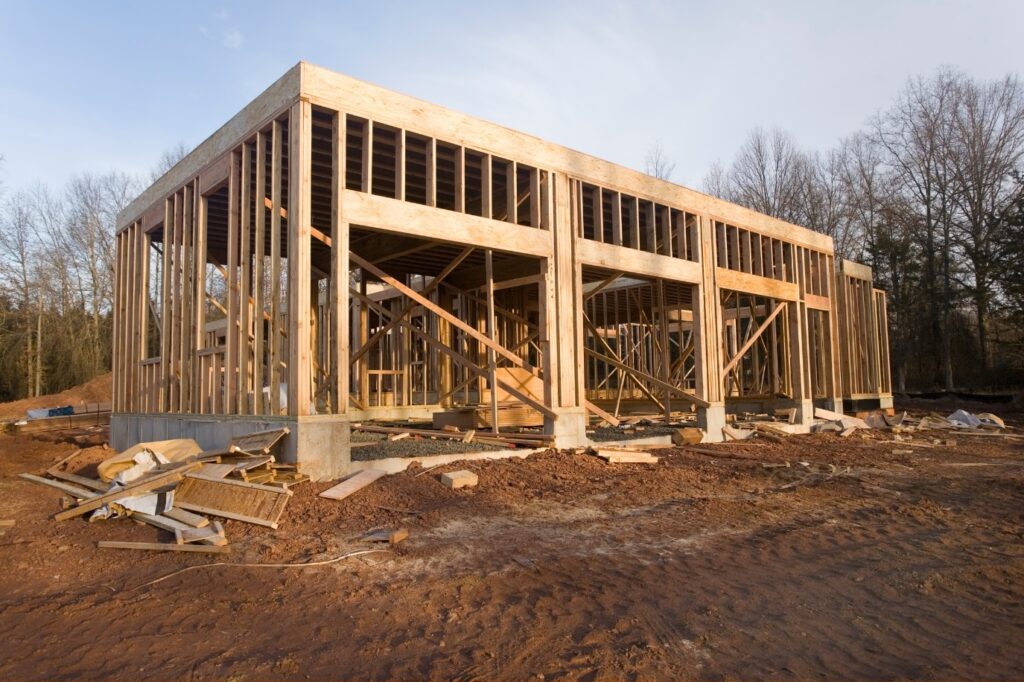
With the foundation in place, it’s time to start building the garage. Similar to the construction of a house, a garage must first be framed, have pumbing run (if there is a utility sink, bathroom, or even an ADU), install electrical, potentially insulation (if ADU or attached to the house), drywall, siding, roofing, and all the details to make the garage functional for homeowner. During the construction process, the structure will be inspected by the city.

Step 6. Finish
Now that the garage is built, finishing touches need to be added to provide the design that is desired. This is painting the exterior, adding light fixtures, installing utility sinks or cabinetry.
If an ADU (Accessory Dwelling Unit) is included as part of your garage, such as a home office, music room, guest suite, or additional living space, the space will also be completed with the finishing touches to make it a functional and inviting space. This includes flooring, bathroom fixtures, painting the interior, and all of those details that makes the space more livable.
We are often asked by our customers for recommendations to other contractors. In Canada, we often refer our clients to Barrie Concrete for all types of concrete work.

Free Estimate